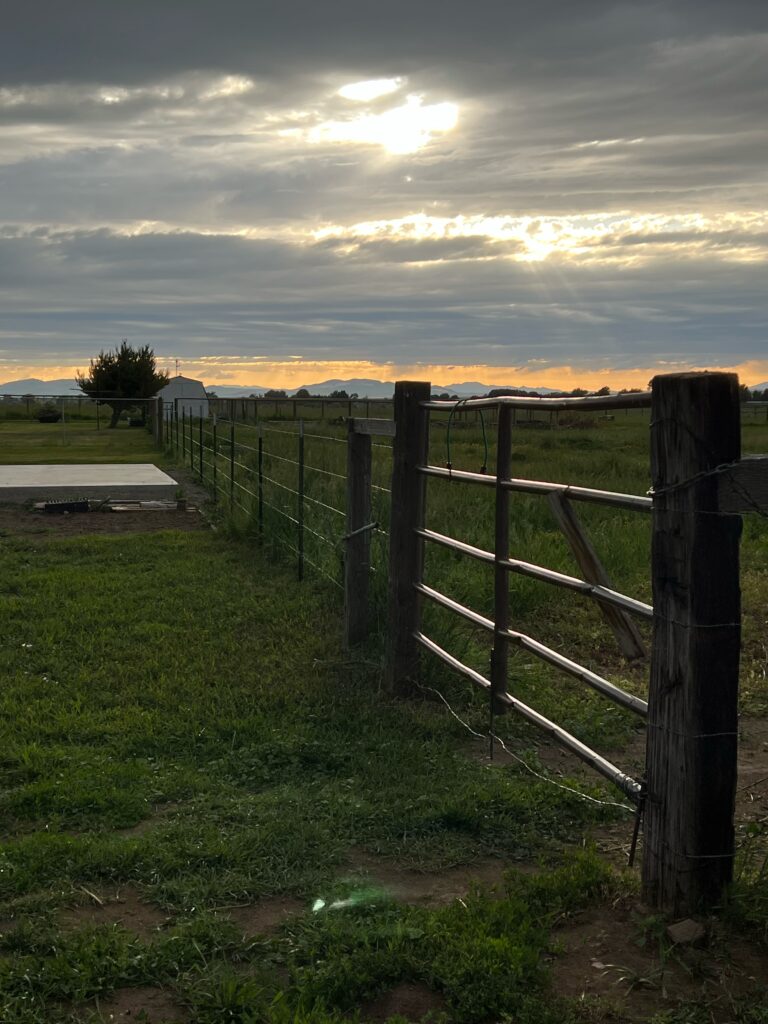
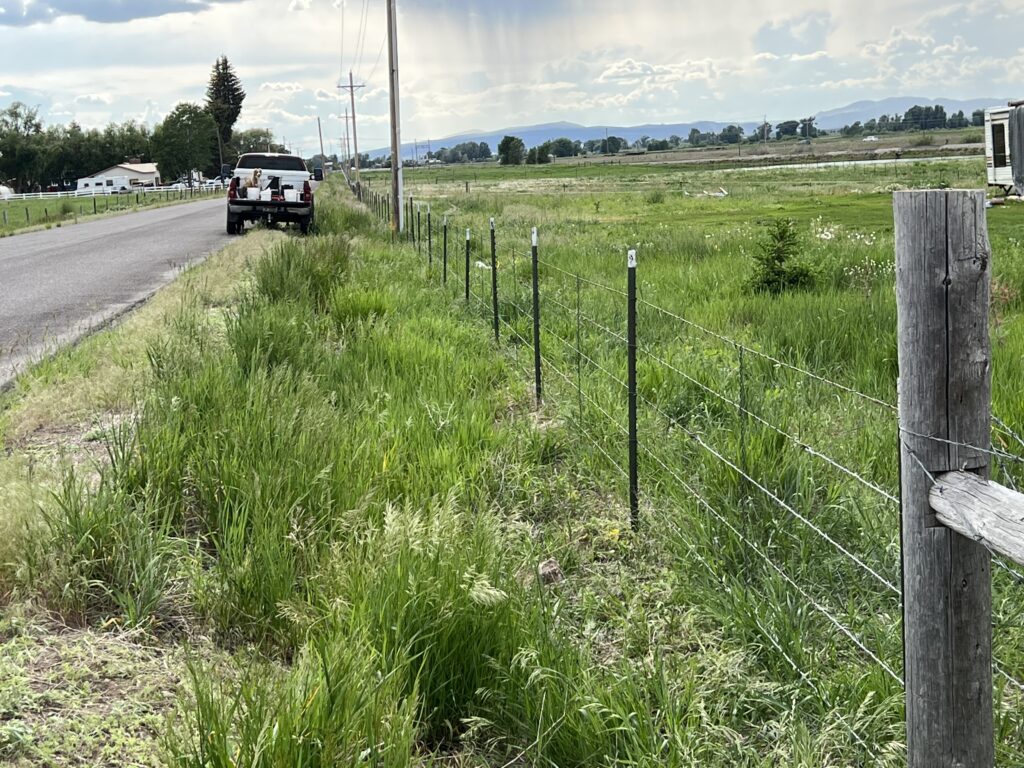
Custom agricultural fencing is designed to meet the specific requirements of a farm’s land layout, livestock type, and operational goals. Unlike standard fencing, which follows a one-size-fits-all approach, custom fencing solutions are planned and built to balance durability, functionality, and cost-effectiveness.
The design process typically considers factors such as animal containment, crop protection, property boundaries, and ease of maintenance. For example, high-tensile wire or woven wire fences may be best for cattle and sheep, while horses typically require smooth wire or rail fencing to prevent injury. Electric fencing can also be integrated for added security or rotational grazing systems.
Custom fencing materials vary based on location and purpose—steel, treated wood, vinyl, or composite materials are chosen for their strength and longevity. Fence height, post spacing, and gate placement are customized to match the topography and management practices of the farm.
A well-planned custom agricultural fence not only enhances safety and efficiency but also adds long-term value to the property. By tailoring design and materials to specific conditions, farmers and ranchers ensure reliable containment, reduced maintenance costs, and improved overall operation of the farm.